Are you experiencing issues with your air conditioning unit? If so, it may be time to test the AC pressure switch. This simple test can help you determine if the switch is faulty and needs to be replaced. Read on to learn how to test an AC pressure switch.
A faulty AC pressure switch can cause a variety of problems, including:
- The air conditioner not turning on
- The air conditioner running constantly
- The air conditioner not cooling properly
- The air conditioner leaking refrigerant
- The air conditioner making strange noises
To test the AC pressure switch, you will need a multimeter.
- Turn off the power to the air conditioner. Remove the cover from the AC unit. Locate the AC pressure switch. It is usually located near the compressor and has two wires connected to it.
- Set the multimeter to the AC voltage scale. Connect the positive lead of the multimeter to the terminal on the pressure switch that is connected to the compressor. Connect the negative lead of the multimeter to the terminal on the pressure switch that is connected to the evaporator coil.
- Turn on the power to the air conditioner. The multimeter should read between 0.5 and 5 volts. If the voltage is outside of this range, the pressure switch is faulty and needs to be replaced.
Once you have tested the AC pressure switch, you can take the appropriate steps to repair or replace it.
How to Test an AC Pressure Switch
 Introduction:The AC pressure switch is a crucial component of an air conditioner system, playing a pivotal role in maintaining optimal system performance and preventing potential damage. This switch is responsible for monitoring the refrigerant pressure and activating or deactivating the compressor accordingly. To ensure proper functioning of the air conditioner, it is essential to conduct periodic testing of the AC pressure switch. This article provides a comprehensive guide on how to test an AC pressure switch, facilitating accurate diagnostics and timely repairs.
1. Understanding the AC Pressure Switch
The AC pressure switch, also known as the refrigerant pressure switch, serves as a safety mechanism in an air conditioner system. It continuously monitors the pressure of the refrigerant flowing through the system. If the pressure exceeds or drops below the predetermined safe limits, the switch triggers the compressor to turn off or on, preventing potential damage to the system components.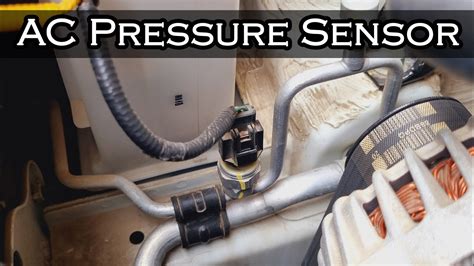
2. Common Signs of a Faulty AC Pressure Switch
Several telltale signs indicate a potential issue with the AC pressure switch. If you encounter any of the following symptoms, it is advisable to conduct a thorough inspection and testing of the pressure switch:- Inconsistent Cooling: The air conditioner may exhibit inconsistent cooling performance, with variations in temperature or insufficient cooling.
- Short Cycling: The compressor may frequently turn on and off within short intervals, a phenomenon known as short cycling.
- Unusual Noises: Listen for unusual noises, such as clicking or buzzing sounds, coming from the AC unit.
- High or Low Refrigerant Pressure: An abnormal increase or decrease in refrigerant pressure can be an indication of a faulty pressure switch.
3. Gathering the Necessary Tools and Equipment
Before embarking on the testing process, ensure you have the appropriate tools and equipment at hand. These typically include:- Multimeter: A digital multimeter is essential for measuring electrical continuity and voltage.
- Refrigerant Pressure Gauge: This gauge enables you to measure the refrigerant pressure in the system.
- Wrenches: A set of wrenches of various sizes is required for disconnecting and reconnecting electrical connections.
- Screwdriver: A screwdriver is necessary for removing the cover of the pressure switch.
- Safety Goggles: Always wear safety goggles to protect your eyes during the testing procedure.
4. Locating the AC Pressure Switch
The location of the AC pressure switch varies depending on the make and model of the air conditioner. However, it is typically situated near the compressor or on the refrigerant line. Consult the manufacturer's manual for precise instructions on locating the pressure switch in your specific AC unit.
5. Visual Inspection
Begin by conducting a thorough visual inspection of the AC pressure switch. Look for any visible signs of damage, such as cracks, corrosion, or loose connections. These indicators may suggest a faulty pressure switch.6. Testing Electrical Continuity
Utilize the multimeter to test the electrical continuity of the pressure switch. Disconnect the electrical connectors from the switch and set the multimeter to the continuity setting. Touch the probes of the multimeter to the terminals of the switch. If the multimeter displays a reading of zero or near zero, it indicates electrical continuity, suggesting that the switch is functioning correctly. Conversely, an infinite reading indicates an open circuit, requiring further investigation.7. Checking Pressure Switch Settings
Consult the manufacturer's specifications to determine the recommended pressure settings for your AC system. Typically, the pressure switch is designed to activate or deactivate the compressor at specific high and low pressure limits. If the pressure switch settings deviate significantly from the manufacturer's recommendations, it may require adjustment or replacement.8. Measuring Refrigerant Pressure
Connect the refrigerant pressure gauge to the appropriate port on the AC system. Turn on the air conditioner and allow it to run for a few minutes. Observe the pressure readings on the gauge and compare them to the manufacturer's specified operating pressures. If the pressure readings fall outside the recommended range, it could indicate a faulty pressure switch or other issues within the AC system.9. Troubleshooting and Repair
Based on the test results, you can proceed with troubleshooting and repair. If the pressure switch has failed, it must be replaced with a new one. Ensure that the replacement switch is compatible with your AC unit and has the correct pressure settings. If the pressure switch is functioning properly, further diagnostics are required to identify and rectify the underlying issue in the AC system.10. Importance of Regular Maintenance
Regular maintenance of the AC pressure switch is crucial for ensuring optimal performance and longevity of the air conditioner system. Periodic inspection and testing of the pressure switch can help identify potential issues early on, preventing costly repairs and system breakdowns.11. Safety Precautions
When testing an AC pressure switch, соблюдайте utmost safety precautions. Wear appropriate personal protective equipment, such as safety goggles and gloves, to avoid potential hazards. Handle refrigerants with care, as they can be harmful if inhaled or come into contact with skin. If you lack experience working with AC systems, it is advisable to seek professional assistance from a qualified HVAC technician.Conclusion:
The AC pressure switch plays a vital role in maintaining the proper functioning of an air conditioner system. Regular testing of the pressure switch is essential for timely detection of