Does your 2011 Chevy Equinox AC compressor give you trouble? If you are struggling to get cool air in your car, it is time to face the music and visit a car repair shop to inspect and resolve the issue.
If your 2011 Chevy Equinox AC isn't blowing cold air, it could be a sign that the compressor is failing. The AC compressor is responsible for circulating refrigerant throughout the system, which absorbs heat from the air inside the car and releases it outside. If the compressor is not working properly, the refrigerant will not be able to circulate and the AC system will not be able to cool the air inside the car.
There are several other possible causes of AC problems in a 2011 Chevy Equinox, including a refrigerant leak, a faulty expansion valve, or a problem with the electrical system. A qualified technician will be able to diagnose the problem and recommend the best course of action.
If you find yourself in such a situation, it is best to take your car to a reputable auto repair shop for proper diagnosis and repair. They can accurately identify the issue with your AC compressor and provide you with a suitable solution. Remember, a properly functioning AC system not only ensures a comfortable driving experience but also plays a crucial role in maintaining the overall health of your vehicle.
The 2011 Chevy Equinox AC Compressor: Maintaining Cool Comfort on the Road
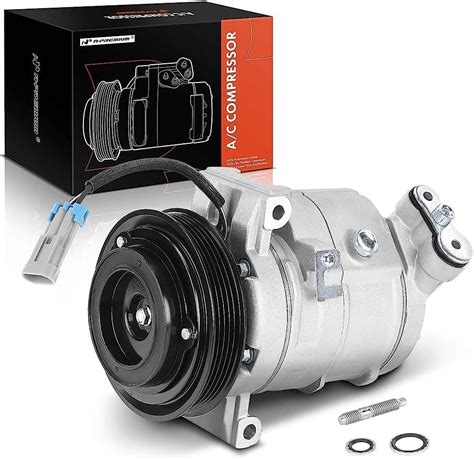
An Overview of the AC Compressor's Role
The air conditioning system in your vehicle plays a crucial role in maintaining a comfortable and enjoyable driving experience, especially during hot and humid weather. At the heart of this system lies the AC compressor, a vital component responsible for circulating refrigerant and generating the cooling effect that keeps your cabin comfortable.Delving into the Functioning of an AC Compressor
The AC compressor's operation involves several key steps:1. Compression: The compressor receives low-pressure refrigerant gas from the evaporator.2. Conversion: Through mechanical energy, the compressor compresses the gas, increasing its pressure and temperature.3. Heat Transfer: The high-pressure gas flows into the condenser, where it releases heat to the surrounding air, transforming into a high-pressure liquid.4. Expansion: The liquid refrigerant then flows through an expansion valve, undergoing a rapid pressure drop.5. Cooling: This sudden pressure drop causes the refrigerant to expand and evaporate, absorbing heat from the cabin air.Ensuring Optimal AC Performance: Signs of a Failing AC Compressor
To maintain a well-functioning AC system, it's essential to be aware of the signs that may indicate a failing AC compressor:1. Reduced Cooling Capacity:
A noticeable decrease in the AC's ability to cool the cabin, even at the highest fan setting.2. Unusual Noises:
Listen for unusual noises such as rattling, grinding, or squealing sounds coming from the compressor.3. Warm Air from Vents:
Instead of cool air, the vents may blow warm or even hot air, indicating a compressor issue.4. Compressor Clutch Issues:
A faulty compressor clutch may lead to a lack of compressor engagement or slipping, resulting in poor cooling performance.Delving into the Causes of AC Compressor Failure
Understanding the potential causes of AC compressor failure can help prevent costly repairs:1. Refrigerant Leaks: Leaks in the AC system can lead to a loss of refrigerant, affecting the compressor's ability to function properly.2. Lubrication Issues: Insufficient or contaminated compressor oil can cause internal damage and premature failure.3. Electrical Faults: Electrical problems such as faulty wiring or control module issues can disrupt the compressor's operation.4. Mechanical Wear and Tear: Over time, components within the compressor may wear out, leading to reduced efficiency and potential failure.The Importance of Regular Maintenance and Inspection
Regular maintenance and inspection play a crucial role in extending the lifespan of your AC compressor:1. Refrigerant Level Checks: Have a qualified technician inspect the refrigerant levels periodically to ensure they are within the specified range.2. Oil Monitoring: Monitor the compressor oil level and condition to prevent lubrication issues.3. System Inspections: Schedule regular inspections of the AC system, including the compressor, hoses, and other components, to identify and address potential problems early on.Addressing AC Compressor Issues: Repair or Replacement?
When faced with AC compressor problems, the decision between repair and replacement depends on several factors:1. Compressor Condition: If the compressor is severely damaged or worn out, replacement may be the best option.2. Age of the Vehicle: For older vehicles with high mileage, a replacement compressor may provide a more reliable long-term solution.3. Cost Considerations: Compare the cost of repair versus replacement, taking into account the severity of the issue and the long-term performance of the system.Seeking Professional Assistance for AC Compressor Issues
Given the complexity of AC systems, it's crucial to seek professional assistance when addressing compressor problems.1. Qualified Technicians: Look for qualified and experienced technicians who specialize in automotive AC repairs and maintenance.2. Diagnostic Expertise: Professional technicians have the necessary tools and expertise to accurately diagnose the root cause of the issue.3. Quality Parts: Ensure that the repair or replacement is done using high-quality parts to maintain the system's performance and longevity.Conclusion: Ensuring Reliable AC Performance
The AC compressor plays a pivotal role in maintaining a comfortable driving experience, especially during hot weather. By understanding its function, potential causes of failure, and the importance of regular maintenance, you can ensure optimal AC performance and prevent costly repairs down the road. When faced with AC compressor issues, seeking professional assistance is essential for an accurate diagnosis and effective resolution.