If you're experiencing issues with your car's air conditioning only working when driving, you're not alone. Many drivers encounter this frustrating problem, and it can be especially bothersome during hot summer months.
There are a few potential causes why your car ac only works when driving, from a faulty compressor to a leak in the refrigerant lines. Finding the root cause of the issue is essential to getting your car's AC back in working order.
To troubleshoot the problem, start by visually inspecting the AC compressor. Look for any signs of damage or leaks. If the compressor looks damaged, it may need to be replaced. You should also check the refrigerant lines for any leaks. If you find a leak, it will need to be repaired or replaced.
In addition to these common causes, there are a few other potential causes why your car ac only works when driving. A faulty expansion valve can prevent the refrigerant from properly flowing through the system, leading to insufficient cooling. A clogged condenser can also cause AC problems, as it prevents the heat from being properly dissipated. Finally, a faulty blower motor can prevent the air from being circulated throughout the cabin, resulting in poor cooling.
Car AC Only Works When Driving: Understanding the Underlying Issues and SolutionsNavigating the Labyrinth of Automotive Cooling Conundrums
 When your car's air conditioning (AC) system only functions while the vehicle is in motion, you're likely dealing with an underlying issue that requires attention. This perplexing phenomenon can stem from various causes, ranging from mechanical malfunctions to electrical glitches. Embark on a journey to unravel the intricate mechanisms at play and discover effective remedies to restore your in-car oasis of cool comfort.
Delving into the Mechanical Realm: Unveiling the Compressor's Crucial Role
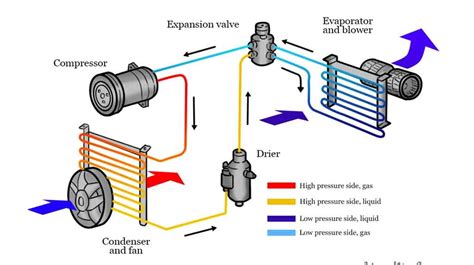 At the heart of your vehicle's AC system lies the compressor, a pivotal component responsible for circulating refrigerant throughout the system. This tireless workhorse compresses the refrigerant, elevating its temperature and pressure. As the refrigerant traverses the condenser, it undergoes a transformation from a high-pressure gas to a high-pressure liquid.
Scrutinizing the Compressor Clutch: A Gateway to AC Functionality
 The compressor clutch, an integral part of the AC system's mechanical symphony, engages and disengages the compressor from the engine's serpentine belt. When the AC is activated, an electromagnetic coil within the clutch energizes, causing the clutch plate to engage with the belt, initiating the compressor's operation. Conversely, when the AC is turned off, the coil de-energizes, disengaging the clutch plate and halting the compressor's rotation.Unmasking Potential Culprits: Diagnosing Compressor-Related IssuesScrutinize the compressor clutch for signs of wear or damage. A faulty clutch may fail to engage or disengage properly, leading to AC malfunction.Inspect the compressor's drive belt for signs of wear or looseness. A worn or loose belt can hinder the compressor's ability to function effectively.Listen for unusual noises emanating from the compressor. Grinding or squealing sounds may indicate internal problems within the compressor.
Venturing into the Electrical Domain: Tracing the Circuit's Elusive Faults
 The AC system's electrical circuitry plays a critical role in orchestrating the system's operation. This intricate network of wires, switches, and sensors ensures that the compressor engages and disengages as needed, maintaining a comfortable cabin temperature.
Illuminating the AC Control Switch: A Gateway to System Activation
 The AC control switch serves as the conductor of your AC symphony, allowing you to activate and deactivate the system at your command. This unassuming switch completes the electrical circuit, sending a signal to the compressor clutch to engage, initiating the cooling process.Unraveling Electrical Mysteries: Diagnosing Circuit-Related WoesInspect the AC control switch for signs of wear or damage. A faulty switch may fail to complete the electrical circuit, preventing the compressor from engaging.Trace the electrical wiring harness from the AC control switch to the compressor clutch. Look for signs of fraying, corrosion, or loose connections.Utilize a multimeter to test the continuity of the electrical circuit. A break in the circuit can disrupt the flow of electricity, hindering AC operation.
Navigating Refrigerant Labyrinth: Uncovering Pressure and Leakage Issues
 Refrigerant, the lifeblood of your AC system, undergoes a continuous cycle of compression, condensation, expansion, and evaporation. This cyclical journey absorbs heat from the cabin air, effectively cooling the interior of your vehicle.
Deciphering Refrigerant Pressure Anomalies: A Tale of Too Much or Too Little
 Scrutinize the AC system's refrigerant pressure. Excessive pressure can strain system components, leading to premature failure. Conversely, insufficient pressure can hinder the system's ability to absorb heat effectively.Unearthing Refrigerant Leaks: A Stealthy Culprit
 Inspect the AC system for signs of refrigerant leaks. Leaks can occur at various points, including hoses, seals, and fittings. A diminished refrigerant level can compromise the system's cooling capacity.
Conclusion: Regaining Control of Your In-Car Climate
Rectifying the underlying issues that plague your car's AC system can restore its ability to deliver refreshing cool air, even when the vehicle is stationary. Whether it's addressing mechanical malfunctions, electrical glitches, or refrigerant-related problems, seeking professional assistance from qualified technicians is paramount. With their expertise, you can bid farewell to sweltering discomfort and reclaim a comfortable driving experience, regardless of the journey's pace.FAQs: Expanding Your Understanding of AC Quirks
1. Why does my car's AC only work when I'm driving fast?High vehicle speeds generate more airflow across the condenser, enhancing the system's ability to dissipate heat. At lower speeds or when stationary, there's insufficient airflow to facilitate effective heat exchange, resulting in diminished AC performance.2. Can I continue driving with a faulty AC compressor?Operating a vehicle with a faulty AC compressor is not advisable. A malfunctioning compressor can lead to further damage to the AC system and potentially strain the engine. Ignoring the issue may result in costly repairs down the road.3. How often should I service my car's AC system?Regular AC system maintenance is crucial for optimal performance and longevity. It's generally recommended to have the system inspected and serviced every 12-24 months or as specified in your vehicle's owner's manual.4. What are the signs of a refrigerant leak in my car's AC system?Common signs of a refrigerant leak include reduced AC performance, unusual noises from the compressor, and a musty odor in the cabin. Additionally, you may notice a visible leak or oily residue around AC system components.5. Why does my car's AC blow warm air at idle?At idle, the engine's RPMs are lower, resulting in reduced airflow across the condenser. This can lead to insufficient heat dissipation and consequently warmer air being blown into the cabin. Additionally, a faulty compressor or other system components can exacerbate this issue.