Is your air conditioner leaking? If so, you're not alone. AC leaks are a common problem, and they can be caused by a variety of factors. One way to find an AC leak is to use compressed air. Here's how to do it.
Using compressed air is a quick and easy way to find an AC leak. However, there are a few things to keep in mind. First, make sure that the compressed air is not too strong. Otherwise, you could damage the AC unit. Second, be careful not to get the compressed air in your eyes or on your skin. Finally, make sure that the area around the AC unit is well-ventilated.
To use compressed air to find an AC leak, follow these steps:
1. Turn off the AC unit.2. Open the hood of the AC unit.3. Locate the evaporator coil.4. Spray the evaporator coil with compressed air.5. Look for bubbles.6. If you see bubbles, you have found an AC leak.Once you have found the leak, you can repair it. The type of repair will depend on the cause of the leak. In some cases, you may be able to simply tighten a loose fitting. In other cases, you may need to replace a part of the AC unit. If you are not comfortable repairing the leak yourself, you can call a qualified HVAC technician to do it for you.
Unveiling the Secrets: Uncovering AC Leaks with Compressed Air
The Perilous Dance of Refrigerant: A Prelude
 In the sweltering heat, air conditioners provide a much-needed respite, transforming homes and offices into havens of coolness. Yet, these silent guardians are susceptible to a common ailment – refrigerant leaks – that can disrupt their cooling prowess and compromise air quality. To combat this, the art of leak detection emerges as a crucial skill, with compressed air emerging as a versatile tool in this pursuit.
The Sleuth's Arsenal: Uncovering the AC Leak
 In the arsenal of AC repair, compressed air takes center stage, its pressurized nature and audible prowess making it an effective detective in the hunt for elusive leaks. This technique, aptly named compressed air leak detection, unveils the telltale signs of refrigerant escape, guiding technicians towards the source of the problem.
Prepping the Stage: Setting the Scene for Detection
Before unleashing the power of compressed air, meticulous preparation sets the stage for successful leak detection. The AC system undergoes a thorough inspection, with a keen eye scanning for potential leak points – from joints and connections to coils and hoses. Any suspected areas are marked, awaiting the compressed air's revealing touch.Unleashing the Compressed Air: A Symphony of Sound and Sight
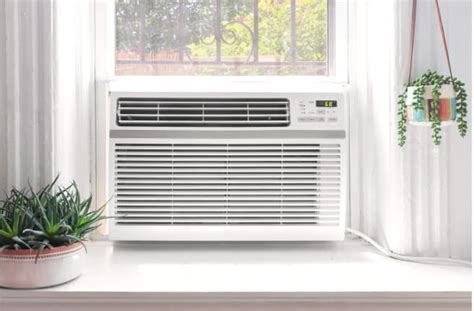 With the stage set, the compressed air takes center stage, its pressurized surge coursing through the AC system's veins. As the air encounters a leak, it escapes with an audible hiss, a sonic beacon guiding the technician towards the source of the problem. To aid visual confirmation, a soap solution is applied to the suspected leak points. When pressurized air meets the soapy solution, it creates telltale bubbles, visual markers that pinpoint the exact location of the refrigerant's escape.
Beyond Detection: The Art of Repair
Once the leak is located, the art of repair takes over. Depending on the nature and location of the leak, various techniques come into play – from tightening loose connections to replacing damaged components. This intricate dance between detection and repair restores the AC system to its pristine glory, ensuring a steady flow of cool air and a comfortable haven from the summer's heat.Preventive Measures: A Stitch in Time
In the realm of AC maintenance, an ounce of prevention is worth a pound of cure. Regular inspections and proactive maintenance can help nip potential leaks in the bud, preventing costly repairs and ensuring the AC system operates at its peak efficiency. These preventive measures include regular cleaning of coils and fins, timely filter replacements, and prompt attention to any unusual noises or performance issues.Conclusion: The Triumph of Detection and Repair
Uncovering AC leaks with compressed air is a testament to the ingenuity of modern leak detection techniques. Armed with this tool, technicians can swiftly and accurately pinpoint the source of the problem, setting the stage for effective repairs and restoring the AC system to its optimal performance. With regular maintenance and timely repairs, homeowners can ensure their air conditioners remain reliable allies in the battle against summer's heat, providing years of cool comfort.FAQs: Delving Deeper into AC Leak Detection
1. What are the signs of an AC leak?Signs of an AC leak may include reduced cooling efficiency, increased energy bills, hissing or bubbling sounds, and the formation of ice on the evaporator coils.2. Can I detect an AC leak on my own?While DIY AC leak detection is possible, it's generally recommended to seek professional assistance. AC systems contain refrigerant, which can be harmful if inhaled or handled improperly.3. How often should I have my AC system inspected for leaks?Regular AC inspections, typically once a year, are recommended to identify potential leaks and ensure the system's optimal performance.4. What are some preventive measures to avoid AC leaks?Preventive measures include regular maintenance, prompt attention to unusual noises or performance issues, and timely filter replacements.5. What are the common causes of AC leaks?Common causes of AC leaks include loose connections, damaged components, corrosion, and improper installation.