In the pursuit of home comfort, understanding the role of a 2.5-ton AC package unit is key. For those who have endured indoor discomfort due to inefficient cooling, this article aims to unveil the significance of this cooling solution. Embark on a journey to discover how the 2.5-ton AC package unit can transform your living spaces into a refreshing oasis.
Gone are the days when sweltering summers meant unbearable indoor conditions. With the advent of the 2.5-ton AC package unit, homeowners can bid farewell to uncomfortable living environments. This cooling solution addresses the challenges of expansive areas by delivering optimal cooling performance, ensuring that every corner of your home remains at a comfortable temperature.
The 2.5-ton AC package unit is a complete HVAC system that encompasses a condenser, evaporator coil, compressor, and blower. Its robust design is meticulously engineered to deliver efficient cooling in larger homes, up to 3,000 square feet. By meticulously selecting a unit that fits your specific needs, you can achieve a comfortable, energy-efficient environment.
In essence, the 2.5-ton AC package unit is a comprehensive solution for those seeking optimal cooling performance and comfort in larger homes. Its ability to effectively address the challenges of expansive living spaces makes it an ideal choice for those seeking a reliable and efficient cooling system. Say goodbye to indoor discomfort and welcome the refreshing embrace of a comfortable, cool home.
2.5 Ton AC Package Unit: A Comprehensive Guide
 Summer is approaching, and as the temperatures rise, the demand for air conditioning increases exponentially. For larger spaces such as commercial buildings or extensive homes, a 2.5-ton AC package unit can provide effective and efficient cooling. This comprehensive guide will delve into the intricacies of a 2.5-ton AC package unit, including its components, working principles, benefits, installation process, maintenance requirements, and troubleshooting tips.
Components of a 2.5 Ton AC Package Unit
• Compressor: The heart of the unit, responsible for compressing refrigerant and circulating it throughout the system.• Condenser Coil: Located outdoors, it dissipates heat from the refrigerant, transforming it from a high-pressure gas to a high-pressure liquid.• Evaporator Coil: Situated indoors, it absorbs heat from the indoor air, causing the refrigerant to evaporate and cool the air.• Expansion Valve: Regulates the flow of refrigerant into the evaporator coil, ensuring optimal cooling performance.• Blower Motor: Circulates indoor air over the evaporator coil, distributing cool air throughout the space.• Electrical Components: Include wiring, circuit breakers, and a thermostat for controlling the unit's operation.Working Principle of a 2.5 Ton AC Package Unit
The 2.5-ton AC package unit operates on the fundamental principles of thermodynamics. Step 1: Refrigerant Circulation: The compressor compresses the refrigerant, increasing its pressure and temperature.
Step 2: Heat Transfer in Condenser Coil: The high-pressure refrigerant vapor flows through the condenser coil, where it releases heat to the outdoor air.
Step 3: Phase Change in Expansion Valve: The refrigerant passes through the expansion valve, which reduces its pressure, causing it to expand and change from a high-pressure liquid to a low-pressure vapor.
Step 4: Heat Absorption in Evaporator Coil: The low-pressure refrigerant vapor flows through the evaporator coil, where it absorbs heat from the indoor air, causing the refrigerant to evaporate and the air to cool.
Step 5: Cycle Completion: The cooled refrigerant vapor returns to the compressor, and the cycle repeats.
Benefits of a 2.5 Ton AC Package Unit
• Efficient Cooling: Effectively cools large spaces, maintaining a comfortable indoor temperature.• Energy Savings: Utilizes energy-efficient technologies, reducing operating costs.• Improved Indoor Air Quality: Filters and dehumidifies indoor air, removing allergens, pollutants, and excess moisture.• Quiet Operation: Designed with sound-dampening features to minimize operational noise.• Compact Design: Takes up minimal outdoor space, making it suitable for installation in tight areas.Installation Process of a 2.5 Ton AC Package Unit
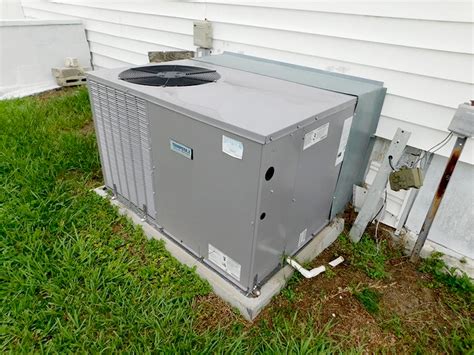 • Site Assessment: Evaluate the installation site to determine the appropriate location, electrical and refrigerant line requirements, and accessibility for maintenance.• Electrical Wiring: Install dedicated electrical wiring to power the unit, ensuring proper voltage and amperage.• Refrigerant Line Installation: Connect the refrigerant lines between the indoor and outdoor units, ensuring proper sealing and insulation.• Condensate Drain Installation: Install a condensate drain line to remove condensed water from the unit.• Unit Placement: Position the indoor and outdoor units according to the manufacturer's guidelines, ensuring proper airflow and accessibility for maintenance.• Unit Connection: Connect the electrical and refrigerant lines to the indoor and outdoor units, ensuring secure connections.• System Testing: Perform a thorough system test to verify proper operation, refrigerant charge, and air distribution.
Maintenance Requirements for a 2.5 Ton AC Package Unit
• Regular Filter Cleaning: Clean or replace air filters monthly to ensure optimal airflow and cooling performance.• Condenser Coil Cleaning: Schedule annual professional cleaning of the condenser coil to remove dirt, debris, and blockages.• Refrigerant Check: Have a qualified technician inspect and adjust the refrigerant charge as needed to maintain proper cooling efficiency.• Electrical Inspection: Periodically inspect electrical connections and wiring for signs of damage or wear.• System Inspection: Arrange annual maintenance visits by a qualified technician to inspect the entire system, identify potential issues, and perform necessary repairs.Troubleshooting Common Issues with a 2.5 Ton AC Package Unit
• Unit Not Cooling: Check the thermostat settings, ensure the unit is turned on, and look for any obstructions blocking airflow.• Uneven Cooling: Adjust the airflow direction or consider adding additional vents to distribute air more evenly.• Excessive Noise: Inspect for loose components, check fan blades for damage, and ensure the unit is properly leveled.• Refrigerant Leak: Contact a qualified technician immediately to locate and repair the leak and recharge the refrigerant.• Electrical Issues: Check circuit breakers, inspect wiring for damage, and ensure proper voltage is reaching the unit.Conclusion
A 2.5-ton AC package unit is an effective and efficient solution for cooling larger spaces, providing reliable comfort during hot weather. Proper installation, regular maintenance, and timely troubleshooting ensure optimal performance and longevity of the unit. Consulting a qualified HVAC technician is highly recommended for installation, maintenance, and troubleshooting to ensure the unit operates safely and efficiently.FAQs
1. What is the recommended maintenance schedule for a 2.5-ton AC package unit?- A 2.5-ton AC package unit should undergo regular maintenance every year, including filter cleaning, condenser coil cleaning, refrigerant check, electrical inspection, and a comprehensive system inspection.2. What are the signs of a refrigerant leak in a 2.5-ton AC package unit?- Signs of a refrigerant leak include reduced cooling performance, higher energy consumption, hissing or bubbling sounds, and the formation of ice on the refrigerant lines.3. How often should the air filters in a 2.5-ton AC package unit be cleaned?- Air filters should be cleaned or replaced monthly to ensure optimal airflow and cooling efficiency.4. What is the ideal outdoor temperature range for operating a 2.5-ton AC package unit?- The ideal outdoor temperature range for operating a 2.5-ton AC package unit is typically between 55°F and 95°F.5. What are the most common causes of uneven cooling in a 2.5-ton AC package unit?- Uneven cooling can be caused by blocked airflow, improper ductwork design, or an imbalance in the refrigerant charge.