Have you ever been stuck in your car on a hot summer day, with the air conditioner blowing hot air? If so, you know how important it is to have a working AC compressor. In this blog post, we'll discuss the 2010 Ford Fusion AC compressor, including its common problems and how to replace it.
If your Ford Fusion's AC compressor fails, you'll likely experience several problems. First, you won't be able to cool your car down on hot days, which can be very uncomfortable. Second, your car's engine may overheat, leading to further problems. Third, you may experience reduced fuel efficiency.
The 2010 Ford Fusion AC compressor is responsible for compressing refrigerant gas and circulating it through the AC system. This process cools the air that is blown into the car's cabin. If the compressor fails, the refrigerant gas cannot be circulated, and the air conditioner will not be able to cool the car.
If you're experiencing AC problems in your 2010 Ford Fusion, it's important to take your car to a qualified mechanic for diagnosis. The mechanic will be able to determine if the compressor is the problem and will be able to replace it if necessary. Replacing the AC compressor can be a complex and expensive job, so it's important to have it done by a qualified mechanic.
2010 Ford Fusion AC Compressor: A Comprehensive Guide
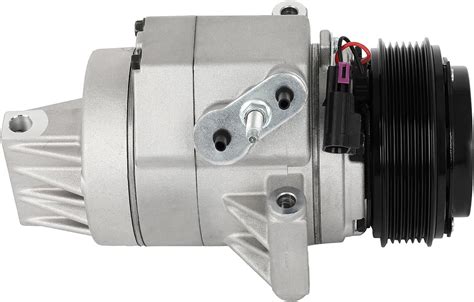 Introduction:The air conditioning system in your 2010 Ford Fusion is a crucial component that provides comfort and convenience during hot weather. When the system fails, it can be a major inconvenience, especially during the sweltering summer months. One of the key components of the AC system is the compressor, which is responsible for circulating refrigerant throughout the system. In this article, we'll delve into the intricacies of the 2010 Ford Fusion AC compressor, exploring its function, common problems, and replacement procedures.
Function of the 2010 Ford Fusion AC Compressor
The AC compressor in your 2010 Ford Fusion plays a vital role in the cooling process. It is the heart of the AC system, responsible for compressing and circulating refrigerant throughout the system. The compressor receives low-pressure, low-temperature refrigerant gas from the evaporator and compresses it into high-pressure, high-temperature gas. This pressurized refrigerant then flows to the condenser, where it releases heat and condenses into a liquid.Common Problems Associated with the 2010 Ford Fusion AC Compressor
Like any mechanical component, the AC compressor in your 2010 Ford Fusion can encounter various problems over time. Some of the most common issues include:• Compressor Clutch Failure:
The compressor clutch is a critical component that engages and disengages the compressor from the engine. When the clutch fails, it can prevent the compressor from engaging, resulting in a lack of cooling.• Refrigerant Leaks:
Refrigerant leaks can occur due to worn seals, damaged hoses, or cracked components. These leaks can lead to a decrease in refrigerant levels, impairing the cooling performance of the AC system.• Electrical Faults:
Electrical faults, such as faulty wiring, loose connections, or malfunctioning sensors, can disrupt the operation of the AC compressor. These faults can prevent the compressor from receiving power or receiving incorrect signals, leading to improper operation.• Compressor Bearing Failure:
Over time, the compressor bearings can wear out, causing excessive noise, vibration, and reduced efficiency. In severe cases, bearing failure can lead to compressor seizure, resulting in catastrophic AC system failure.Signs and Symptoms of a Faulty 2010 Ford Fusion AC Compressor
If the AC compressor in your 2010 Ford Fusion is experiencing problems, you may notice several signs and symptoms, including:• Weak or No Cooling:
The most apparent symptom of a faulty AC compressor is a lack of cooling or weak cooling performance. The AC system may struggle to produce cold air, even when set to the coldest setting.• Unusual Noises:
Listen for unusual noises coming from the AC system, such as a grinding, rattling, or knocking sound. These noises can indicate compressor bearing failure or other mechanical issues.• AC System Leaks:
Refrigerant leaks can manifest as a visible leak under the vehicle or a persistent oily residue around the AC components. A leak can also be detected using an AC leak detector.• High-Pressure Readings:
A malfunctioning compressor can cause high-pressure readings in the AC system. This can be detected using an AC manifold gauge set.Replacing the 2010 Ford Fusion AC Compressor
Replacing the AC compressor in a 2010 Ford Fusion is a complex task that requires specialized tools and knowledge. It's generally recommended to seek professional assistance for this repair. However, if you're an experienced DIYer, here's a general overview of the steps involved:• Gather the Necessary Tools and Parts:
Before starting the replacement, gather all the necessary tools, including wrenches, screwdrivers, AC manifold gauges, and a recovery/recharge machine. You'll also need a new AC compressor, refrigerant, and compressor oil.• Safely Discharge the Refrigerant:
Using the recovery/recharge machine, carefully discharge the refrigerant from the AC system. This step is crucial to prevent injury and environmental damage.• Remove the Compressor:
Locate the AC compressor mounted on the engine. Disconnect the electrical connector and refrigerant lines. Remove the compressor mounting bolts and carefully remove the compressor from the vehicle.• Install the New Compressor:
Position the new compressor in place and secure it with the mounting bolts. Reconnect the electrical connector and refrigerant lines. Ensure all connections are tight and properly sealed.• Recharge the AC System:
Using the recovery/recharge machine, recharge the AC system with the specified amount of refrigerant. Follow the manufacturer's guidelines for the proper refrigerant charge.• Test the AC System:
Start the engine and turn on the AC system. Check for proper cooling performance and ensure there are no leaks or unusual noises.Conclusion:
The AC compressor in your 2010 Ford Fusion is an essential component that ensures a comfortable driving experience during hot weather. Understanding its function, common problems, and replacement procedures can help you maintain a well-functioning AC system. If you suspect an issue with your AC compressor, it's advisable to seek professional assistance for diagnosis and repair. By addressing AC compressor problems promptly, you can avoid further damage to the system and ensure optimal cooling performance.