Is your 2011 Nissan Maxima AC Compressor giving you trouble? Is your car not cooling down as efficiently as it used to? If so, it might be time to replace your AC Compressor.
Don't ignore the signs of a failing AC Compressor. A faulty compressor can lead to a variety of problems, including leaks, decreased cooling performance, and even engine damage. If you're experiencing any of these issues, it's important to have your compressor inspected by a qualified mechanic.
The AC Compressor is a vital part of your car's air conditioning system. It circulates refrigerant throughout the system, which absorbs heat and cools the air in your car. Without a properly functioning AC Compressor, your car's air conditioning system won't be able to cool your car down effectively.
If you're in need of a new AC Compressor for your 2011 Nissan Maxima, be sure to do your research and choose a quality replacement part. A good AC Compressor will last for many years and provide you with reliable cooling performance. By taking the time to choose the right AC Compressor, you can ensure that your car's air conditioning system is running at its best.
The 2011 Nissan Maxima AC Compressor: A Comprehensive Guide
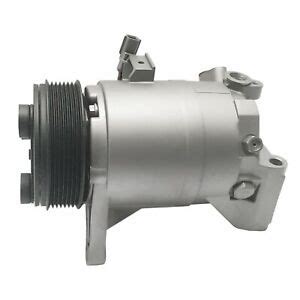 The 2011 Nissan Maxima is a luxurious sedan that offers a comfortable and stylish ride. However, like any vehicle, it can experience issues with its air conditioning system, particularly the AC compressor. This article delves into the 2011 Nissan Maxima AC compressor, exploring its functions, common problems, and potential solutions.
The Role of the AC Compressor
The AC compressor plays a crucial role in the air conditioning system of the 2011 Nissan Maxima. It is responsible for compressing refrigerant gas, which is a key component in the cooling process. The compressor circulates the refrigerant through the system, enabling it to absorb heat from the cabin and release it outside the vehicle.Common AC Compressor Problems
Several issues can affect the AC compressor in the 2011 Nissan Maxima. Some of the most prevalent problems include:Leaking Refrigerant: A leak in the AC system can cause refrigerant to escape, leading to a decrease in cooling performance. Leaks can occur due to damaged hoses, seals, or the compressor itself.Electrical Faults: Electrical issues, such as a faulty compressor clutch or wiring problems, can prevent the compressor from engaging or functioning correctly.Compressor Wear and Tear: Over time, the AC compressor can experience wear and tear due to constant use. This can result in reduced cooling efficiency or complete compressor failure.Symptoms of AC Compressor ProblemsVarious symptoms can indicate problems with the AC compressor in the 2011 Nissan Maxima:Weak or No Cooling: If the AC system is not providing adequate cooling, it may signify a faulty compressor or other issues within the system.Unusual Noises: Noises such as rattling, grinding, or humming coming from the compressor area can indicate potential problems.Warm Air Blowing: Instead of cool air, the vents may blow warm or ambient air, suggesting an issue with the compressor or other components.Diagnosing AC Compressor Issues
Proper diagnosis is essential to identify the specific cause of AC compressor problems in the 2011 Nissan Maxima. This typically involves:Visual Inspection: A visual inspection of the compressor and surrounding components can reveal leaks, loose connections, or visible damage.Refrigerant Pressure Test: A pressure test can determine if there are any leaks in the AC system, indicating potential compressor issues.Electrical Testing: Testing the electrical connections and components associated with the compressor can help identify electrical faults.Compressor Performance Evaluation: Evaluating the compressor's performance, including its ability to compress refrigerant and circulate it through the system, can help diagnose problems.Repairing or Replacing the AC Compressor
Once the issue with the AC compressor is diagnosed, appropriate repairs or replacements can be carried out:Leak Repair: If the problem lies in a leak, repairing or replacing the faulty components, such as hoses or seals, can resolve the issue.Electrical Repairs: In the case of electrical faults, replacing faulty wiring or components can restore the compressor's functionality.Compressor Replacement: If the compressor is severely damaged or worn out, it may need to be replaced with a new or remanufactured unit.Preventing AC Compressor Problems
To help prevent AC compressor issues in the 2011 Nissan Maxima, consider the following tips:Regular Maintenance: Regular maintenance, including AC system inspections and refrigerant checks, can help identify potential problems early on and prevent more severe issues.Avoid Overuse: Excessive use of the AC system, particularly in extreme weather conditions, can put strain on the compressor and lead to premature wear and tear.Address Leaks Promptly: If a leak is detected in the AC system, promptly repair or replace the affected components to prevent further refrigerant loss and potential compressor damage.Conclusion
The AC compressor is a vital component of the air conditioning system in the 2011 Nissan Maxima. Understanding its functions, common problems, and potential solutions can help vehicle owners maintain a comfortable and cool cabin environment. Regular maintenance and prompt attention to any AC issues can contribute to the longevity and optimal performance of the AC system.